
Understanding Adjuvant Chemotherapy
Adjuvant chemotherapy is a strategic component of cancer management, employed after the primary treatment, such as surgery or radiation, to reduce the risk of cancer recurrence. You may encounter this term when discussing your treatment plan with your oncology team. Its purpose is to target and eliminate any microscopic cancer cells that might remain in the body, which are too small to be detected by imaging scans but have the potential to grow and cause a relapse. This approach aims to improve long-term outcomes and increase the likelihood of a cure.
Rationale Behind Adjuvant Chemotherapy
The decision to recommend adjuvant chemotherapy is based on a careful assessment of several factors, including the type of cancer, its stage, and specific characteristics of the tumor cells. While surgery often removes the visible tumor, there’s a possibility that individual cancer cells may have already spread beyond the primary site to other parts of the body. These circulating tumor cells or micrometastases, if left untreated, can eventually establish new tumors. Adjuvant chemotherapy acts as a systemic treatment, meaning it travels throughout your bloodstream to reach these potential hidden cancer cells, wherever they may be located.
Key Objectives of Adjuvant Chemotherapy
The primary goals of adjuvant chemotherapy are multifaceted and designed to optimize your prognosis. These objectives include:
- Eliminating Residual Cancer Cells: The most critical objective is to destroy any remaining cancer cells that might have evaded initial treatments.
- Reducing Recurrence Risk: By eradicating these microscopic cells, the probability of the cancer returning is significantly lowered.
- Improving Overall Survival: Ultimately, the aim is to extend your lifespan and improve the quality of your life by preventing disease progression.
- Preventing Metastasis: Targeting potential micrometastases helps to prevent the spread of cancer to distant organs.
Adjuvant chemotherapy plays a crucial role in the treatment of various cancers by eliminating remaining cancer cells after surgery. For those seeking to understand the broader implications and benefits of this treatment approach, a related article can be found at CancerOX, which delves into the latest research and insights on adjuvant therapies. This resource provides valuable information for patients and healthcare professionals alike, highlighting the importance of personalized treatment plans in improving patient outcomes.
Types of Cancers Where Adjuvant Chemotherapy Is Commonly Used

Adjuvant chemotherapy is a widely utilized strategy across various cancer types, particularly those with a higher propensity for recurrence or metastasis. The specific indications and effectiveness vary depending on the biological characteristics of each cancer.
Breast Cancer
For breast cancer, adjuvant chemotherapy is a frequent recommendation, especially for stages I, II, and III, and often depends on factors such as tumor size, lymph node involvement, hormone receptor status (estrogen receptor/progesterone receptor positive or negative), and HER2 status. In India, breast cancer is a significant health concern, and adjuvant chemotherapy protocols are well-established within the oncology community.
Colorectal Cancer
Following surgery for stages II and III colorectal cancer, adjuvant chemotherapy is routinely considered. Its inclusion often depends on specific pathological features, such as the depth of tumor invasion and the number of involved lymph nodes. The goal is to eradicate any remaining cancer cells and improve disease-free survival.
Lung Cancer
For certain stages of non-small cell lung cancer (NSCLC), particularly after surgical resection of stage IB, II, or IIIA tumors, adjuvant chemotherapy may be recommended. This is aimed at reducing the risk of recurrence, especially in cases where lymph nodes are involved.
Gastric Cancer
In resectable gastric cancer, particularly in advanced stages, adjuvant chemotherapy can play a crucial role. This strategy, sometimes combined with adjuvant radiation therapy, is employed to decrease recurrence rates and enhance survival outcomes.
Ovarian Cancer
Following surgery for epithelial ovarian cancer, adjuvant chemotherapy is almost universally recommended, especially for stages Ic and above. This is due to the often advanced stage of diagnosis and the high risk of microscopic disease dissemination throughout the abdominal cavity.
Pancreatic Cancer
For patients who undergo successful surgical removal of pancreatic cancer, adjuvant chemotherapy is considered a standard of care. This is due to the aggressive nature of the disease and the high likelihood of microscopic residual disease even after complete resection.
Sarcomas
Certain types of soft tissue sarcomas, depending on their grade, size, and location, may benefit from adjuvant chemotherapy after surgical removal. The specific drugs and regimens are tailored to the sarcoma subtype.
Testicular Cancer
Adjuvant chemotherapy is often employed in certain stages of testicular cancer, particularly non-seminomatous germ cell tumors, to prevent recurrence after orchiectomy (surgical removal of the testicle).
Head and Neck Cancers
In specific situations, especially for locally advanced head and neck cancers with high-risk features after surgery, adjuvant chemotherapy, sometimes concurrently with radiation, may be considered to improve local control and reduce recurrence.
Diagnostic Tests and Staging Systems Informing Adjuvant Chemotherapy Decisions

The decision to administer adjuvant chemotherapy is not made in isolation; it is deeply rooted in the comprehensive assessment of your cancer through various diagnostic tests and the established staging systems. These tools provide critical information about the extent of the disease, guiding the oncology team in tailoring the most effective post-surgical treatment plan.
Biopsy and Pathology Reports
The initial diagnosis and characterization of your cancer primarily rely on a biopsy. A tissue sample is taken from the suspicious area and examined by a pathologist under a microscope. This examination provides fundamental information:
- Histology: Identifies the specific type of cancer cells (e.g., adenocarcinoma, squamous cell carcinoma).
- Grade: Assesses how abnormal the cancer cells look and how quickly they are likely to grow and spread. A higher grade often indicates a more aggressive cancer.
- Tumor Markers: In some cancers, special stains (immunohistochemistry) are used to detect specific proteins on the cancer cells, such as hormone receptors (ER, PR) and HER2 in breast cancer. These markers can predict responsiveness to certain therapies, including some adjuvant treatments.
- Genetic Profiling: Increasingly, molecular tests are performed on tumor tissue to identify specific gene mutations or other molecular alterations. These can indicate a higher risk of recurrence or responsiveness to targeted therapies, which may be given in conjunction with or in place of traditional chemotherapy.
Imaging Studies
Various imaging techniques are utilized to determine the size and location of the primary tumor and to check for spread to regional lymph nodes or distant organs. These studies are crucial for accurate staging:
- Computed Tomography (CT) Scans: Provide detailed cross-sectional images of internal organs, helping to identify tumor extent and lymph node involvement.
- Magnetic Resonance Imaging (MRI) Scans: Offer excellent soft tissue contrast, often used for brain, spinal cord, and certain abdominal or pelvic tumors.
- Positron Emission Tomography (PET) Scans: Detect metabolically active areas, which can indicate cancer cells. Often combined with CT (PET-CT) for precise localization of active disease and detection of distant metastases.
- Ultrasound: Utilized for visualizing superficial tumors, guiding biopsies, and assessing lymph nodes in certain areas (e.g., neck, axilla).
- Bone Scans: Detect abnormal bone activity, indicating potential spread of cancer to bones.
Staging Systems
Cancer staging is a standardized method of describing the extent of your cancer. It helps your doctors understand the severity of the disease, predict prognosis, and select appropriate treatments. The most widely used system is the TNM (Tumor, Node, Metastasis) system developed by the American Joint Committee on Cancer (AJCC):
T (Tumor)
- Describes the size of the primary tumor and whether it has invaded nearby tissues.
- T0: No evidence of primary tumor.
- Tis: Carcinoma in situ (cancer cells are present but have not spread).
- T1-T4: Increasing size and/or local extent of the primary tumor.
N (Nodes)
- Indicates whether cancer cells have spread to regional lymph nodes.
- N0: No regional lymph node involvement.
- N1-N3: Increasing involvement of regional lymph nodes (number, size, and location).
M (Metastasis)
- Indicates whether the cancer has spread to distant parts of the body (distant metastasis).
- M0: No distant metastasis.
- M1: Distant metastasis present.
Other Staging Considerations
- Pathological Staging (pTNM): Based on the examination of tissue removed during surgery, providing the most accurate assessment.
- Clinical Staging (cTNM): Based on information gathered before surgery, using physical exams, imaging tests, and biopsies.
- Stage Grouping: The T, N, and M categories are combined to assign an overall stage, typically from Stage 0 (carcinoma in situ) to Stage IV (metastatic disease). Higher stages generally imply more advanced disease and a greater risk of recurrence, thereby increasing the likelihood of adjuvant chemotherapy being recommended.
The information from these diagnostic tests and staging systems collectively allows your oncology team to determine if adjuvant chemotherapy is indicated, what specific drugs might be most effective, and the duration of treatment. It’s a personalized approach, ensuring that treatment is tailored to the unique characteristics of your cancer.
How Adjuvant Chemotherapy Is Administered
Adjuvant chemotherapy is a systemic treatment, meaning the drugs travel throughout your body via the bloodstream to target cancer cells wherever they might be. The method of administration is carefully chosen to maximize effectiveness and manage potential side effects.
Administration Routes
| Aspect | Description | Typical Metrics/Values |
|---|---|---|
| Definition | Additional cancer treatment given after the primary treatment to lower the risk of the cancer returning. | N/A |
| Purpose | Eliminate microscopic cancer cells that may remain after surgery or radiation. | Reduction in recurrence risk by 20-30% (varies by cancer type) |
| Common Cancer Types Treated | Breast, colorectal, lung, ovarian, and gastric cancers. | Breast cancer: 4-6 cycles; Colorectal: 6 months of therapy |
| Typical Duration | Varies depending on cancer type and regimen. | 3 to 6 months |
| Common Chemotherapy Agents | Drugs used depend on cancer type. | Examples: Cyclophosphamide, Doxorubicin, 5-Fluorouracil, Paclitaxel |
| Effectiveness | Improves overall survival and disease-free survival in many cancers. | 5-year survival improvement: 5-15% depending on cancer |
| Side Effects | Depends on drugs used; may include nausea, fatigue, hair loss, and increased infection risk. | Incidence varies; e.g., nausea in 30-70% of patients |
The primary routes for administering adjuvant chemotherapy include:
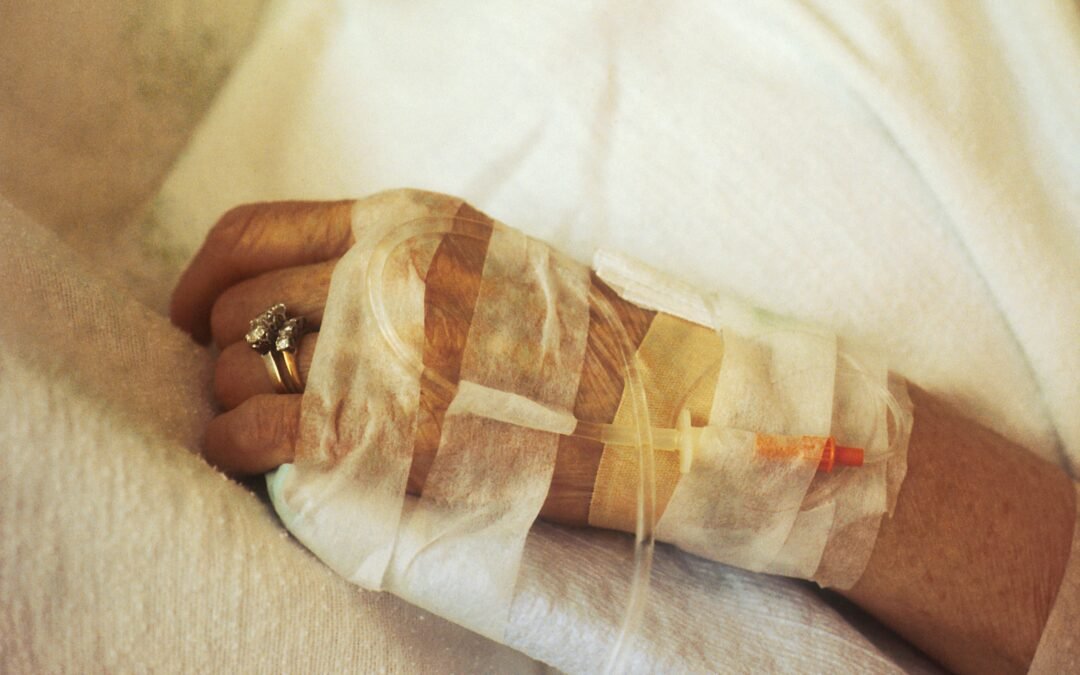
- Intravenous (IV) Infusion: This is the most common method. Chemotherapy drugs are mixed with a fluid and delivered directly into a vein, usually in your arm or hand, using an IV line. For longer treatments or to protect peripheral veins, a central venous access device may be surgically placed:
- Port-a-Cath (Port): A small device placed under the skin, usually in the chest, with a catheter leading into a large vein. It can stay in place for months or years.
- Peripherally Inserted Central Catheter (PICC line): A thin, flexible tube inserted into a vein in the arm and threaded into a large vein near the heart. It can remain in place for weeks or months.
- Tunneled Catheter: Similar to a PICC line but often used for longer durations, with a portion of the catheter tunneled under the skin before entering the vein.
- Oral Chemotherapy: Some chemotherapy drugs are available in pill or capsule form, allowing you to take them by mouth at home. While convenient, it requires strict adherence to the prescribed schedule and careful monitoring for side effects. You will receive detailed instructions on how and when to take these medications.
- Intramuscular (IM) Injection: Less common for adjuvant chemotherapy, some drugs may be given as an injection into a muscle, such as the thigh or buttocks.
- Subcutaneous (SC) Injection: Also less common, some drugs are injected into the fatty tissue just under the skin.
Treatment Cycles and Duration
Adjuvant chemotherapy is typically administered in cycles. A cycle consists of a period of treatment followed by a rest period. This allows your body to recover from the side effects of the drugs and for healthy cells to regenerate.
- Cycle Length: Cycles typically range from 1 to 4 weeks, depending on the specific drugs being used and the cancer type.
- Number of Cycles: The total number of cycles can vary, often ranging from 4 to 8 cycles, which translates to a total treatment duration of several months. For example, in breast cancer, a common regimen might involve 4 cycles of one drug combination followed by 4 cycles of another, spanning several months.
- Regimens: The specific combination of drugs, their dosages, and the schedule are referred to as a “chemotherapy regimen.” These regimens are evidence-based and tailored to your specific cancer and individual health status.
Your Healthcare Team and Monitoring
Throughout your adjuvant chemotherapy, you will be closely monitored by a specialized healthcare team, including oncologists, oncology nurses, and pharmacists.
- Pre-treatment Assessment: Before each cycle, you will undergo blood tests to check your blood counts (white blood cells, red blood cells, platelets) and organ function (kidney, liver). These results help determine if your body is ready for the next dose.
- Side Effect Management: Your team will educate you about potential side effects and provide strategies for managing them. This may include anti-nausea medications, growth factors to boost white blood cell counts, or pain relievers.
- Regular Check-ups: You will have regular appointments with your oncologist to assess your progress, discuss any side effects, and make necessary adjustments to your treatment plan.
The administration of adjuvant chemotherapy is a carefully planned and executed process, with a focus on delivering effective treatment while prioritizing your well-being and managing potential adverse effects.
Adjuvant chemotherapy plays a crucial role in the treatment of various cancers, helping to eliminate any remaining cancer cells after surgery. For those looking to understand the broader context of cancer treatments, a related article provides valuable insights into the different types of chemotherapy and their applications. You can explore this further in the article on cancer treatments, which discusses how adjuvant therapy fits into the overall management of cancer care.
Common Side Effects of Adjuvant Chemotherapy
Adjuvant chemotherapy, while effective in targeting cancer cells, can also affect healthy, rapidly dividing cells in your body, leading to various side effects. It is important to remember that not everyone experiences every side effect, and the severity can vary greatly between individuals and different chemotherapy regimens. Your oncology team will discuss potential side effects with you and provide strategies for managing them.
Hematological Side Effects
Chemotherapy can affect the bone marrow, where blood cells are produced.
- Myelosuppression: This refers to the suppression of bone marrow activity, leading to:
- Anemia: A decrease in red blood cells, which carry oxygen. This can cause fatigue, weakness, shortness of breath, and pale skin.
- Neutropenia: A decrease in white blood cells (specifically neutrophils), which are crucial for fighting infection. This increases your risk of serious infections. You will be advised on precautions to take, such as avoiding crowded places and reporting fever immediately.
- Thrombocytopenia: A decrease in platelets, which are essential for blood clotting. This can lead to easy bruising, nosebleeds, or prolonged bleeding from cuts.
Gastrointestinal Side Effects
The rapidly dividing cells lining the digestive tract are often affected by chemotherapy.
- Nausea and Vomiting: These are among the most common and feared side effects. Modern antiemetic (anti-nausea) medications are highly effective in preventing or reducing these symptoms.
- Diarrhea or Constipation: Changes in bowel habits are common. Your team can recommend medications or dietary adjustments.
- Mucositis/Stomatitis: Inflammation and soreness of the lining of the mouth and throat. This can make eating and swallowing difficult. Oral rinses and pain relievers can help.
- Loss of Appetite and Taste Changes: Food may taste different, or you may have a decreased desire to eat. Nutritional support and strategies to make food more appealing will be discussed.
Hair Loss (Alopecia)
Many chemotherapy drugs can cause hair loss, not just on your head but also eyebrows, eyelashes, and body hair. This is usually temporary, and hair often begins to grow back a few weeks after treatment ends, though it may be different in texture or color initially.
Fatigue
Chemotherapy-related fatigue is a profound and persistent tiredness that is not relieved by rest. It is a common and often challenging side effect, influenced by various factors including anemia, sleep disturbances, and the emotional burden of treatment.
Neurological Side Effects
Some chemotherapy drugs can affect the nervous system.
- Peripheral Neuropathy: Numbness, tingling, pain, or weakness, usually in the hands and feet. This can sometimes be persistent even after treatment ends.
- “Chemo Brain” (Cognitive Impairment): Some individuals report difficulty concentrating, memory problems, and general fogginess. These symptoms are often temporary but can be distressing.
Skin and Nail Changes
- Skin Reactions: Dryness, redness, rash, or increased sensitivity to sunlight.
- Nail Changes: Discoloration, brittleness, or development of ridges on fingernails and toenails.
Fertility Concerns
Chemotherapy can affect fertility in both men and women.
- Women: May experience temporary or permanent infertility, and early menopause.
- Men: May experience a decrease in sperm production or permanent infertility.
- Discussion about fertility preservation options (e.g., egg or sperm banking) is crucial before starting treatment, especially for younger patients.
Organ-Specific Toxicities
Some chemotherapy drugs have specific toxicities to certain organs:
- Cardiotoxicity: Damage to the heart.
- Nephrotoxicity: Damage to the kidneys.
- Hepatotoxicity: Damage to the liver.
- Ototoxicity: Damage to the inner ear, leading to hearing loss or tinnitus.
- Your medical team monitors for these with regular tests and adjusts treatment as needed.
It is vital to communicate any side effects you experience to your healthcare team promptly. They can offer interventions, medications, or adjustments to your treatment plan to help manage these effects and improve your quality of life during adjuvant chemotherapy.
Frequently Asked Questions About Adjuvant Chemotherapy
You likely have many questions when considering or undergoing adjuvant chemotherapy. Here are some common inquiries and their general answers, always keeping in mind that your specific situation requires personalized medical advice.
Will I definitely need adjuvant chemotherapy after surgery?
Not necessarily. The decision for adjuvant chemotherapy is highly individualized. It depends on several factors, including the type and stage of your cancer, specific tumor characteristics (e.g., grade, hormone receptor status), whether lymph nodes are involved, and your overall health. Your oncology team will review all your diagnostic results and discuss the risks and benefits to determine if it is the right course for you.
How long does adjuvant chemotherapy treatment typically last?
The duration of adjuvant chemotherapy varies widely. It is typically given in cycles, with each cycle lasting 1 to 4 weeks, followed by a rest period. The total number of cycles can range from 4 to 8, meaning treatment could last anywhere from a few months to approximately six months. Your specific regimen will be determined by your oncologist based on established guidelines for your cancer type.
Can I stop adjuvant chemotherapy if the side effects are too severe?
It is crucial to communicate all side effects to your oncology team. While side effects can be challenging, there are often ways to manage them, such as dose adjustments, additional medications, or supportive care. In some cases, if side effects are severe and significantly impact your health or quality of life, your doctor may consider pausing treatment, reducing the dose, or even changing the chemotherapy regimen. However, stopping treatment prematurely against medical advice could potentially compromise its effectiveness in preventing recurrence. Always discuss any concerns thoroughly with your medical team.
How will I know if the adjuvant chemotherapy is working?
Adjuvant chemotherapy is given to eliminate microscopic cancer cells that are not detectable by scans. Therefore, there isn’t a direct way to “see” it working in the same way one might monitor a visible tumor shrinking. Instead, its success is measured by the absence of cancer recurrence over time. Regular follow-up appointments, including physical examinations and imaging scans, will be scheduled after your treatment concludes to monitor for any signs of recurrence.
What is the difference between adjuvant and neoadjuvant chemotherapy?
Both adjuvant and neoadjuvant chemotherapy involve chemotherapy drugs, but their timing and purpose differ:
- Adjuvant Chemotherapy: Administered after the primary treatment (usually surgery) to kill any remaining microscopic cancer cells and reduce the risk of recurrence.
- Neoadjuvant Chemotherapy: Administered before the primary treatment (usually surgery or radiation). Its goals include shrinking the tumor to make surgery easier or more effective, reducing the extent of surgery needed, and assessing the tumor’s response to chemotherapy.
Will adjuvant chemotherapy affect my ability to work or perform daily activities?
The impact on daily activities varies significantly among individuals and depends on the specific chemotherapy drugs, dosages, and individual tolerance. Many people continue to work, often with some adjustments to their schedule or workload. Fatigue is a common side effect that can affect daily activities. Your oncology team can provide guidance on managing your energy levels and side effects to help you maintain as much of your routine as possible.
Are there any long-term side effects of adjuvant chemotherapy?
Yes, some side effects of chemotherapy can be long-term or delayed, meaning they may persist after treatment ends or emerge months to years later. These can include:
- Peripheral neuropathy: Numbness or tingling in hands and feet.
- “Chemo brain”: Cognitive difficulties.
- Fatigue: Persistent tiredness.
- Cardiotoxicity: Heart problems.
- Secondary cancers: A small but increased risk of developing another type of cancer years later.
- Infertility: Permanent changes to reproductive capacity.
Your doctor will discuss the potential long-term risks associated with your specific chemotherapy regimen and schedule appropriate follow-up monitoring.
Is adjuvant chemotherapy available in India?
Yes, adjuvant chemotherapy is widely available in India in most major oncology centers and hospitals. Indian oncologists follow international guidelines adapted to the local context. Access to specific drugs and advanced supportive care may vary between urban and rural areas, but the core principles and common regimens are well-established across the country’s healthcare system.
Disclaimer: This content is for educational purposes only and should not be considered medical advice. It is not a substitute for professional medical diagnosis, treatment, or care. Always consult with a qualified healthcare professional regarding any health concerns or before making any decisions about your medical care.
FAQs
What is adjuvant chemotherapy?
Adjuvant chemotherapy is a type of cancer treatment that is given after the primary treatment, such as surgery, to kill any remaining cancer cells that may be present in the body. It is used to reduce the risk of cancer recurrence.
How does adjuvant chemotherapy work?
Adjuvant chemotherapy works by targeting and killing cancer cells that may have spread beyond the primary tumor site. It helps to destroy any remaining cancer cells that were not removed during surgery or other primary treatments.
What types of cancer are commonly treated with adjuvant chemotherapy?
Adjuvant chemotherapy is commonly used to treat various types of cancer, including breast cancer, colon cancer, lung cancer, and ovarian cancer. It may also be used for other types of cancer depending on the specific situation.
What are the potential side effects of adjuvant chemotherapy?
Common side effects of adjuvant chemotherapy may include nausea, vomiting, fatigue, hair loss, and increased risk of infections. However, the side effects can vary depending on the specific drugs used and the individual’s response to treatment.
How is the decision made to use adjuvant chemotherapy in cancer treatment?
The decision to use adjuvant chemotherapy in cancer treatment is based on various factors, including the type and stage of cancer, the risk of cancer recurrence, the overall health of the patient, and the potential benefits and risks of the treatment. It is typically made by a multidisciplinary team of healthcare providers.